


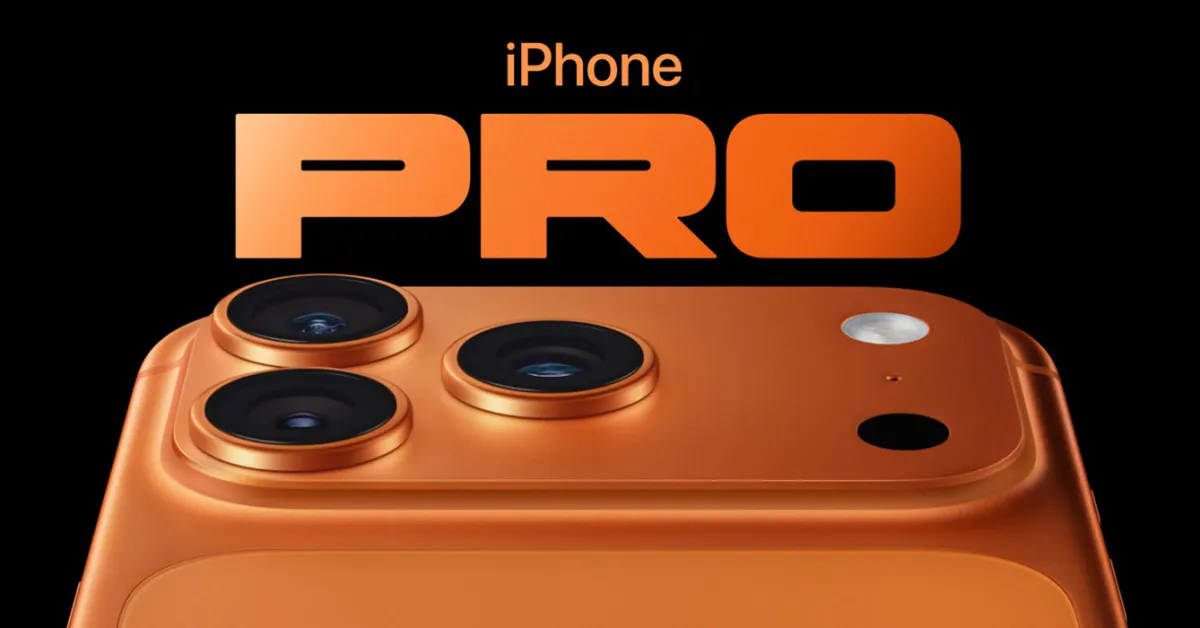
NASA Approves iPhone 17 Pro Max for Artemis II Astronauts
In a historic first, NASA has cleared the iPhone 17 Pro Max for use by astronauts on the upcoming Artemis II lunar mission. This decision marks a major milestone in how consumer technology can support space exploration.
Rather than rely solely on traditional mission hardware, NASA engineers adapted Apple’s flagship smartphone to meet strict spaceflight requirements — ensuring it can perform reliably in a harsh environment millions of miles from Earth.
Why NASA Picked iPhone 17 Pro Max
NASA isn’t choosing devices lightly. For Artemis II — the first crewed lunar mission in decades — every piece of equipment must be tested and certified for safety and performance.
The iPhone 17 Pro Max was selected for these reasons:
- Powerful processing and graphics for mission data visualization
- Advanced cameras for scientific documentation
- Built‑in sensors that can support navigation and motion tracking
- Broad app ecosystem compatible with custom NASA software
According to the source, NASA’s engineers worked closely with Apple to make the device fit for spaceflight challenges.
What NASA Changed to Make It Space‑Ready
To qualify for Artemis II, NASA had to address several potential concerns:
- Radiation exposure: Space radiation can damage electronics, so hardware shielding and testing were required
- Temperature extremes: The phone’s components were evaluated and adapted for thermal stress
- Communication standards: NASA validated that the device could work safely alongside mission‑critical systems
In effect, this wasn’t just “off‑the‑shelf” usage — it was an engineered partnership to ensure reliability in space.
How Astronauts Will Use the iPhone in Space
Once certified, astronauts can use the iPhone 17 Pro Max for:
- Reference and mission planning apps
- Scientific imaging and documentation
- Crew communication and coordination tools
- Health and sensor monitoring during flight
NASA says that the familiarity and capability of iOS devices help reduce training time and improve efficiency for astronauts.
What This Means for Future Space Missions
This approval is more than a novelty — it signals a shift toward consumer tech integration in spaceflight systems. Previously, space agencies used highly specialized, custom devices that were expensive to develop and difficult to upgrade.
Now, with devices like the iPhone 17 Pro Max:
- Missions can leverage powerful processors without custom hardware
- Updates and app improvements can happen quickly
- Astronauts can carry a familiar tool with multiple uses
This could open the door for broader use of smartphones, tablets, and wearables on future missions beyond lunar travel.
Final Thoughts
The iPhone 17 Pro Max’s selection for NASA’s Artemis II mission shows how mainstream technology and space exploration are converging. As tech continues to evolve, we may soon see even more consumer devices traveling beyond Earth — helping astronauts do more with less.
Stay tuned as NASA prepares for launch and updates its use of Apple’s most advanced iPhone yet.