


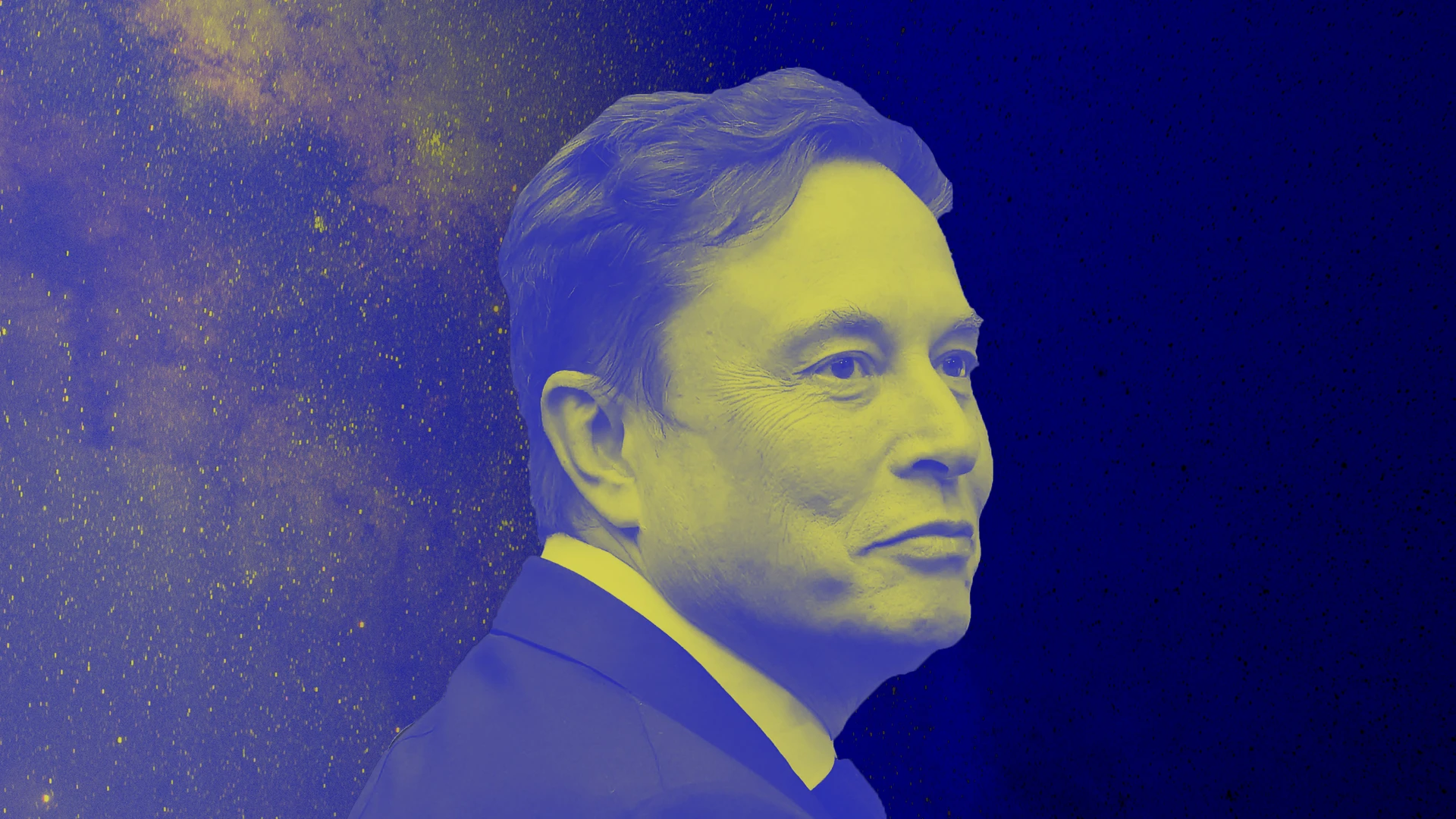
A Vision That Pushes AI Beyond Earth
Elon Musk’s ambitions in artificial intelligence are no longer confined to labs and land-based facilities. He has begun exploring the possibility of placing AI data centers directly in space, an idea that sounds futuristic but is increasingly being discussed seriously in technology circles. The proposal reflects Musk’s belief that the next phase of AI growth will be constrained less by software and more by physical resources. As computing demands skyrocket, traditional infrastructure may struggle to keep pace.
The idea revolves around hosting large-scale computing hardware in orbit rather than on Earth. These space-based systems would operate as interconnected platforms capable of handling massive AI workloads. Musk sees this as a way to sidestep several bottlenecks that currently limit data center expansion. In his view, space offers unique environmental conditions that could make large-scale AI operations more efficient in the long run.
AI models are becoming larger, more complex, and more energy-intensive with each generation. Training and running these systems requires enormous processing power and constant electricity. As demand rises, finding sustainable and scalable ways to support AI has become a pressing concern. Musk’s proposal attempts to rethink where that infrastructure should live.
Why Space Appeals to AI Infrastructure
One of the primary motivations behind AI data centers in space is access to continuous solar energy. Unlike Earth-based facilities that deal with weather, night cycles, and grid limitations, orbital systems can receive sunlight almost nonstop. This uninterrupted energy source could help power AI hardware without relying heavily on fossil fuels or overburdened power grids. Over time, this could significantly reduce operational constraints.
Another major advantage lies in thermal management. AI servers generate enormous amounts of heat, and cooling them on Earth often requires large quantities of water and electricity. In space, heat can be radiated away more directly due to the vacuum environment. While cooling in orbit presents its own engineering challenges, it eliminates several inefficiencies found in terrestrial systems.
Musk has repeatedly argued that energy availability, not chip production, will be the biggest limiter of AI progress. By moving data centers off-planet, he believes AI growth can continue without competing with cities, industries, or households for electricity. This perspective aligns with broader concerns about the environmental impact of expanding AI infrastructure. Space, in this context, becomes an alternative frontier for scaling computing power.
However, experts caution that the theoretical benefits must be balanced against real-world limitations. Energy transmission, heat dissipation systems, and orbital stability all require advanced solutions. These technical complexities mean that space-based AI centers are not a near-term replacement for Earth facilities. Instead, they may begin as experimental or supplemental systems.
Technical and Economic Challenges Ahead
Despite the promise, placing AI data centers in space presents formidable engineering challenges. Launching heavy and sensitive computing hardware into orbit remains expensive, even with reusable rockets. Every kilogram added to a payload significantly increases mission costs. This makes careful optimization essential for any viable orbital computing system.
Space is also a harsh environment for electronics. Radiation exposure can damage processors, memory, and storage over time, potentially shortening hardware lifespans. Shielding components adds weight and complexity, while frequent replacements are not easily feasible. Maintenance and repairs, routine on Earth, become costly and risky operations in orbit.
Another major concern is space debris. Thousands of objects already orbit the planet, and collisions could cripple valuable infrastructure. Any large-scale deployment of data centers would require strict coordination and advanced tracking systems. Without careful planning, orbital congestion could become a serious risk.
Economic feasibility remains uncertain as well. While long-term operational savings are often cited, the upfront investment is enormous. Analysts suggest that only incremental testing and small-scale deployments will be practical at first. These early experiments would help determine whether orbital AI computing can ever compete with ground-based alternatives.
A Broader Strategy Across Musk’s Companies
Musk’s interest in space-based AI data centers fits neatly into his broader business ecosystem. SpaceX’s launch capabilities and satellite networks provide a foundation that few other companies can match. Its experience with deploying and managing large satellite constellations could support future computing platforms in orbit. This vertical integration gives Musk a strategic advantage in pursuing such unconventional ideas.
The existing satellite infrastructure could potentially serve dual purposes, handling both communications and computing tasks. Over time, specialized satellites might be designed specifically for AI workloads. These systems could communicate with Earth-based networks or operate autonomously for certain applications. Such integration would blur the line between traditional data centers and space technology.
Industry observers believe Musk is positioning himself ahead of an inevitable shift. As AI continues to reshape economies, the demand for scalable computing solutions will only intensify. Governments and corporations alike are watching these developments closely. Early movers in orbital computing could gain long-term influence over AI infrastructure standards.
Still, most experts agree that this vision will unfold over decades rather than years. Ground-based data centers will remain dominant for the foreseeable future. Space-based AI systems are more likely to complement existing infrastructure rather than replace it outright. Their role may initially focus on specialized or high-energy-demand workloads.
What This Could Mean for the Future of AI
If AI data centers in space eventually become viable, they could reshape how the world thinks about computing infrastructure. Energy-intensive workloads might migrate off-planet, easing environmental and logistical pressures on Earth. This could allow cities and industries to redirect resources toward other needs. The ripple effects would extend across energy markets, technology policy, and environmental planning.
There are also geopolitical implications to consider. Control over orbital computing infrastructure could become strategically important. Nations may seek to regulate or participate in these systems to avoid dependence on private or foreign platforms. This adds another layer of complexity to an already competitive global AI race.
For now, Musk’s proposal remains speculative but influential. It challenges conventional assumptions about where data centers must exist. By pushing the conversation into space, it encourages engineers, policymakers, and technologists to think differently about AI’s future. Even if the idea takes decades to mature, it is already shaping discussions today.
Ultimately, AI data centers in space represent both ambition and experimentation. Whether they become a cornerstone of global computing or remain a niche solution is still unknown. What is clear is that the rapid growth of AI is forcing bold ideas to the forefront. And once again, Musk is attempting to expand the boundaries of what seems possible.