


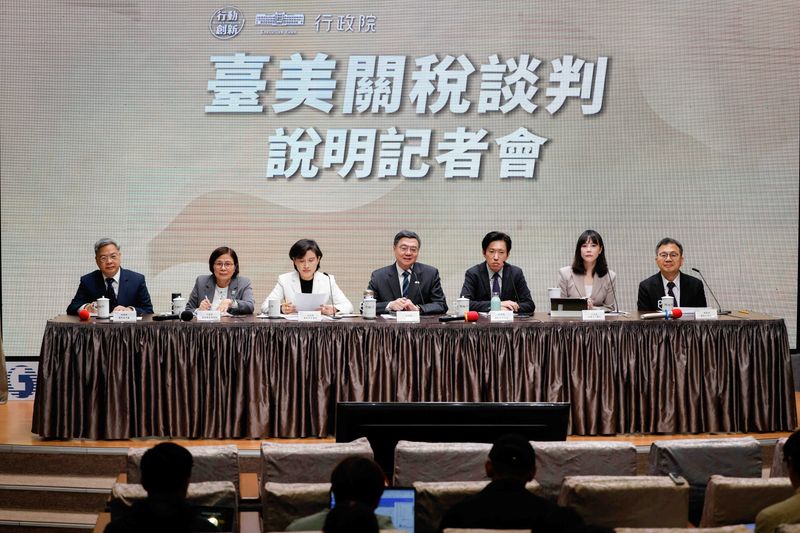
Taiwan–U.S. Strengthen High-Tech Collaboration
Senior representatives from Taiwan and the United States recently convened for a strategic dialogue emphasizing partnership in crucial technological areas. At a prominent high-level forum, officials from both sides engaged in discussions centered on deepening cooperation in artificial intelligence, technology innovation, and unmanned aerial systems. The event provided a platform for sharing perspectives, building trust, and aligning strategies on emerging technological challenges.
This forum is part of an ongoing series of dialogues first launched during the early years of the previous U.S. administration and has evolved into a significant platform for bilateral engagement. Its continued existence highlights the importance both governments place on technology and economic security, especially in a rapidly shifting global landscape. Participants noted that such meetings are critical for anticipating and addressing technological disruptions that could affect both nations.
The United States highlighted the importance of this meeting by describing Taiwan as a critical partner, reinforcing Washington’s commitment to collaboration with Taipei. Despite the absence of formal diplomatic ties, the U.S. remains Taiwan’s foremost international supporter and a key provider of defense and technology-related assistance. This relationship is seen as strategic, not only economically but also in terms of regional stability and innovation leadership.
Advancing AI, Semiconductors, and Drone Technology
This round of talks was the sixth in the series known as the U.S.–Taiwan Economic Prosperity Partnership Dialogue. It brought together top economic and technology policymakers from both sides. Leading the American delegation was the U.S. Under Secretary for Economic Affairs, while Taiwan was represented by the Minister responsible for economic affairs, who was on an official visit to the United States. Both parties used the opportunity to reinforce ongoing projects and identify new areas for collaboration.
During the meetings, officials endorsed key joint statements, including agreements tied to the Pax Silica Declaration, an initiative focused on fortifying the security of supply chains for artificial intelligence and semiconductor manufacturing. The declaration underscores the shared interest in protecting vital technology from disruptions, whether due to political tensions, natural disasters, or other unexpected events. It reflects a strategic commitment to safeguarding the infrastructure that underpins modern AI capabilities.
Taiwan’s role in advanced manufacturing, particularly semiconductors, was a central focus of discussions. As a leading producer of chips essential for AI systems, the island’s technology ecosystem is critical for global innovation. Both sides agreed that collaboration in this sector could drive breakthroughs in AI applications, robotics, autonomous vehicles, and other emerging technologies.
In addition to AI and semiconductors, talks covered supply chain resilience, with extensive discussions on ensuring the secure and continuous flow of critical technology goods. Policymakers explored mechanisms to mitigate risks associated with overreliance on single suppliers, highlighting the need for diverse, reliable, and secure supply chains. These measures aim to protect not only national interests but also the broader technology ecosystem.
Collaboration on unmanned aerial systems was another key topic, including drone standards, certification, and integration into both civilian and defense-related projects. Officials recognized the potential of drones for logistics, environmental monitoring, and national security applications. Standardizing technology and procedures would allow both countries to accelerate innovation while maintaining safety and reliability.
Economic Security and Strategic Alignment
Access to critical minerals for high-tech industries was also addressed, recognizing their importance for AI, electronics, and battery technologies. Both governments emphasized the need to secure sustainable and ethical sources while reducing vulnerabilities caused by global supply chain concentration. Strategies discussed included partnerships with allied nations and shared investments in resource development projects.
Officials also explored cooperation on economic security measures beyond technology, including addressing economic coercion and tax-related challenges. Removing barriers to investment, such as double taxation and restrictive regulations, could enhance bilateral trade and stimulate innovation-driven growth. Both sides recognized that economic resilience strengthens strategic cooperation and contributes to regional stability.
The forum further highlighted efforts to reduce tariffs on Taiwanese exports to the United States and improve investment conditions in high-tech sectors. These steps aim to encourage the flow of capital and technology expertise, helping both nations maintain a competitive edge in rapidly evolving global markets. By fostering a favorable business environment, Taiwan and the U.S. can support innovation ecosystems on both sides of the Pacific.
Geopolitical considerations also shaped discussions, with China continuing to object to formal interactions between U.S. and Taiwanese officials. Beijing maintains that such engagement challenges its claims of sovereignty over Taiwan. Despite these tensions, both sides reaffirmed their commitment to open dialogue, mutual respect, and technological collaboration as a foundation for regional stability.
Taiwanese leaders emphasized the importance of self-determination and the island’s ability to make decisions about its future. This principle underpins their approach to international partnerships, including cooperation with the United States. Strengthening high-tech collaboration was framed not just as an economic imperative, but as a matter of strategic autonomy and long-term resilience.
Looking forward, both governments expressed the intention to expand joint initiatives in emerging areas such as AI governance, cybersecurity, and sustainable technology. By building robust channels for research collaboration and knowledge sharing, Taiwan and the U.S. hope to drive innovation that benefits their citizens while addressing global technological challenges.
The discussions at this high-level forum ultimately reinforced the enduring nature of U.S.–Taiwan ties in technology and economic security. From AI and semiconductors to drones and supply chain resilience, the partnership continues to evolve, reflecting shared interests in innovation, stability, and strategic collaboration across multiple sectors.