


Last Updated on February 22, 2026 by Michael Motha
iPhone 17 resale numbers rise months after launch in US — Here’s why
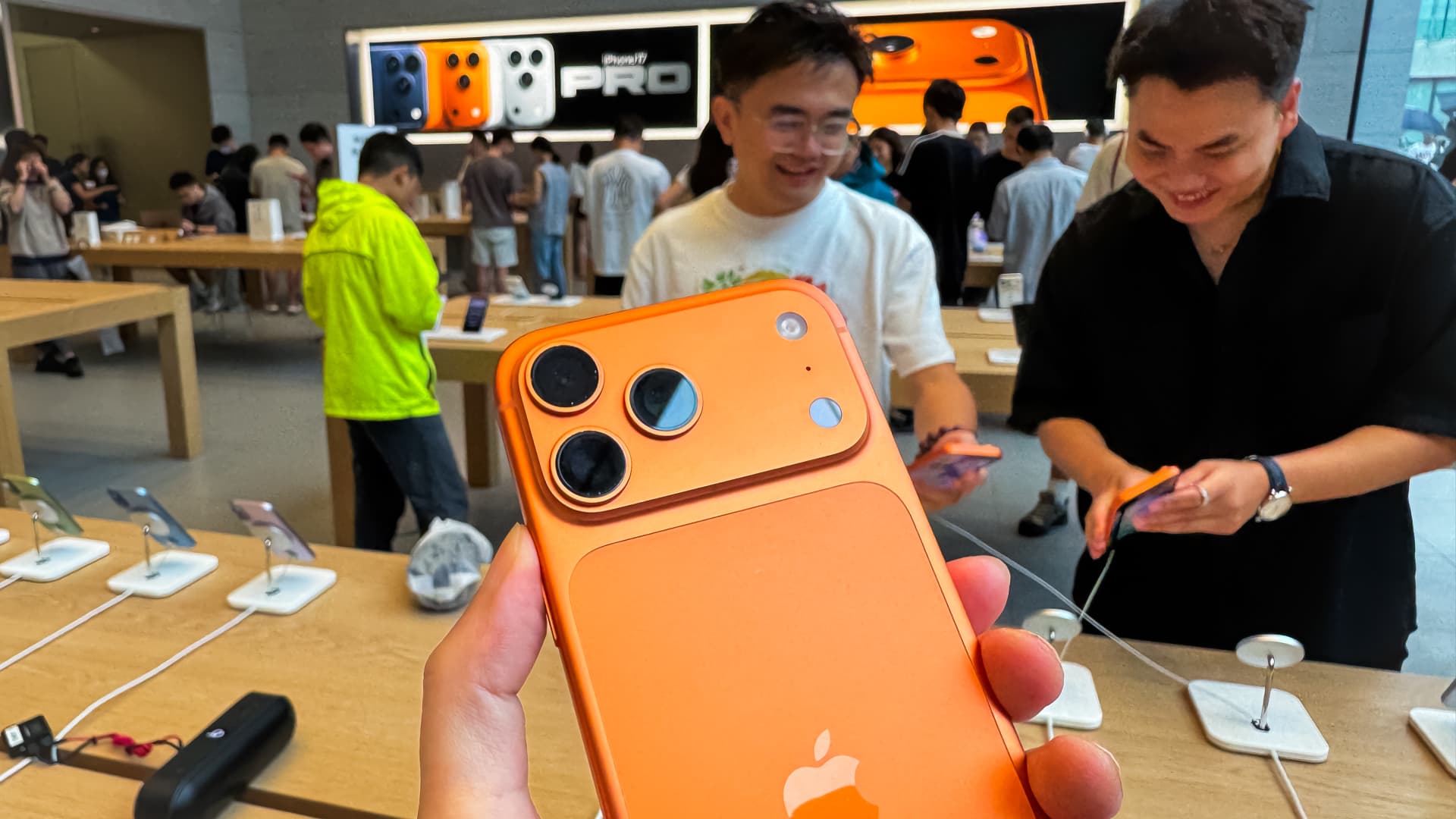
The iPhone 17 resale numbers are climbing in the United States only months after the device hit store shelves. Instead of holding onto their new smartphones for years, a growing number of American consumers are listing their nearly-new devices for sale surprisingly early.
At first glance, this trend may appear counterintuitive. Why would buyers invest in a flagship phone and then sell it shortly afterward? However, when examined closely, the spike in resale activity highlights several important shifts in consumer behavior, smartphone depreciation patterns, and Apple’s upgrade ecosystem.
Let’s break down what’s driving this unusual resale momentum — and what it reveals about the broader premium smartphone market.
Strong Early Demand Meets Strategic Selling
One of the biggest drivers behind rising resale listings is simple: strong market demand.
The iPhone 17 launched to significant interest across the US. As with previous generations, early adopters rushed to secure the newest model. But within weeks, resale platforms began showing a noticeable increase in listings.
This doesn’t necessarily indicate dissatisfaction. Instead, it reflects a strategic pattern among tech-savvy consumers who understand how smartphone depreciation works.
Selling Before Depreciation Accelerates
Smartphones lose value quickly — but not evenly. Premium devices like Apple’s flagship iPhones typically hold their value better than competitors. However, the steepest drop often occurs after the first few months.
Many US consumers appear to be capitalizing on this window:
- Selling while resale value remains high
- Avoiding long-term depreciation
- Upgrading through trade-in cycles
- Switching storage variants or colors
By listing their devices early, sellers can recover a large portion of their original investment.
Apple’s Trade-In Ecosystem Encourages Upgrades
Another major factor influencing iPhone 17 resale numbers is the strength of Apple’s upgrade system.
Through programs offered directly by Apple Inc. and major US carriers, customers can offset new purchases with trade-in credits. These incentives reduce the effective cost of upgrading, making short ownership cycles financially viable.
The Psychology of Upgrade Culture
The US smartphone market has evolved beyond long-term device ownership. Instead, many buyers now view iPhones as semi-liquid assets — devices that can be resold or traded in with predictable value retention.
Apple’s ecosystem reinforces this behavior by offering:
- Competitive trade-in quotes
- Monthly installment programs
- Seamless data transfer tools
- High resale value reputation
When resale markets remain strong, consumers feel more confident upgrading early.
Premium iPhones Hold Value Better Than Rivals
Resale strength is not universal across all smartphone brands.
Apple devices historically outperform competitors in value retention. Market data consistently shows that iPhones depreciate more slowly than most Android flagships.
The iPhone 17 continues this pattern due to:
- Long software support cycles
- Strong brand perception
- High secondary market demand
- Limited price discounting at retail
In the US, where Apple commands a dominant share of the premium segment, resale liquidity remains robust.
Early Adopters Driving Market Supply
A closer look reveals that much of the resale activity stems from early adopters — not average buyers.
Tech enthusiasts often:
- Purchase devices at launch
- Experiment with configurations
- Upgrade to higher-tier models (Pro or Ultra variants)
- Flip devices quickly while demand is strong
For some, reselling is part of a predictable annual cycle. They treat launch-day purchases as temporary ownership rather than long-term commitments.
Carrier Contracts and Financing Models
Modern smartphone financing has dramatically changed how Americans buy and sell devices.
Most iPhone 17 purchases in the US occur via installment plans rather than upfront payments. Carrier promotions often advertise “free” or heavily discounted upgrades when customers trade in eligible devices.
This model creates a dynamic resale ecosystem:
- Consumer buys iPhone 17
- Uses device for a short period
- Resells while value is high
- Applies proceeds toward next upgrade
Because financing spreads out payments, early resale can still make financial sense.
Limited Discounts Keep Secondary Prices High
Unlike many competing smartphone brands, Apple rarely cuts prices significantly in the months following launch.
This retail price stability supports higher resale pricing. When official store prices remain firm, used listings appear more attractive to budget-conscious buyers.
Additionally, strong demand in international resale markets can influence US resale values. Devices listed domestically may eventually reach global buyers through third-party channels.
Consumer Behavior Is Changing
The rise in iPhone 17 resale numbers also reflects broader cultural and financial trends.
Smartphones as Short-Term Assets
In today’s economy, many consumers prioritize flexibility. Instead of locking themselves into multi-year ownership, they seek liquidity.
Premium smartphones — especially iPhones — have become:
- Easily sellable assets
- Predictable in depreciation
- High-demand secondhand products
For financially savvy buyers, this creates an opportunity to minimize long-term costs.
The Role of Storage Variants and Model Switching
Another overlooked factor behind rising resale listings is buyer experimentation.
At launch, some customers choose:
- Lower storage options
- Base models instead of Pro variants
- Different finishes
After weeks of usage, they may realize their needs differ. Rather than settling, they sell and repurchase a better-suited configuration.
Because early resale values remain strong, the cost of switching models is lower than expected.
Is There Dissatisfaction with iPhone 17?
The increase in resale listings does not necessarily signal widespread dissatisfaction.
There have been no major indications of systemic performance issues or hardware flaws. Instead, the resale surge appears more financially motivated than complaint-driven.
In fact, strong resale demand often reflects confidence in a product. Buyers are willing to purchase used iPhones because they trust long-term reliability and software support.
Depreciation Trends: What the Numbers Suggest
While exact resale prices vary by condition and storage tier, early trends show that the iPhone 17 retains a substantial percentage of its launch price within the first few months.
Historically, premium iPhones retain:
- Higher percentage value at 3 months
- Strong resale pricing through 6 months
- Competitive trade-in offers even after one year
Compared to many Android flagships that see rapid discounting within weeks, Apple’s pricing discipline stabilizes secondary market values.
The US Market Advantage
The resale surge is particularly visible in the United States due to several factors:
- High iPhone penetration rate
- Strong secondary marketplaces
- Carrier-backed upgrade programs
- Consumer familiarity with resale platforms
In regions where installment plans dominate smartphone purchases, resale volume typically increases.
What This Means for Buyers
For consumers considering purchasing a used iPhone 17, rising resale listings can create opportunity.
Benefits of Buying Used Early
- Slight discount compared to retail
- Near-new condition devices
- Remaining warranty coverage
- Access to latest model without full price
Because many listings are only weeks or months old, buyers often receive devices in excellent condition.
What This Means for Sellers
For sellers, timing is critical.
To maximize resale returns:
- Sell within first few months
- Maintain device condition
- Keep original packaging
- Monitor trade-in quotes
As newer models are announced, depreciation accelerates. Strategic timing can preserve hundreds of dollars in value.
Apple’s Upgrade Machine Continues
The rise in iPhone 17 resale numbers underscores a broader truth: Apple has mastered the upgrade cycle.
By combining:
- Predictable product launches
- Strong resale value
- Trade-in programs
- Financing options
the company has created a self-sustaining ecosystem where consumers feel comfortable upgrading frequently.
This cycle benefits both Apple and buyers who understand how to navigate depreciation strategically.
Could This Trend Continue?
Looking ahead, resale activity may remain elevated if:
- Apple maintains high trade-in valuations
- Financing options remain widely available
- Secondary market demand stays strong
However, macroeconomic shifts or aggressive competitor pricing could influence future patterns.
For now, the US market demonstrates that premium smartphones — particularly iPhones — function not just as communication tools, but as dynamic consumer assets.
Final Thoughts
The surge in iPhone 17 resale numbers months after launch is less about dissatisfaction and more about financial strategy.
American consumers are increasingly aware of:
- Depreciation curves
- Trade-in incentives
- Market demand timing
By selling early, they maximize value retention and maintain flexibility within Apple’s ecosystem.
In many ways, the iPhone 17 resale trend highlights how the modern smartphone market has evolved. Ownership is no longer static. Instead, devices move fluidly between users, driven by strong brand loyalty, reliable resale value, and a culture that embraces frequent upgrades.
As long as Apple maintains its pricing power and software longevity, the resale engine will likely remain a defining feature of the US iPhone market.