


Last Updated on March 9, 2026 by admin
Apple’s Ultra Strategy: OLED MacBook and Premium iPhone Plans
Apple has long built its reputation on carefully segmented product lines that target different tiers of consumers. From entry-level devices to professional-grade hardware, the company has consistently created clear performance and pricing distinctions across its ecosystem. Now, industry signals suggest Apple may be preparing to expand its most premium category—the “Ultra” tier—beyond its current boundaries.
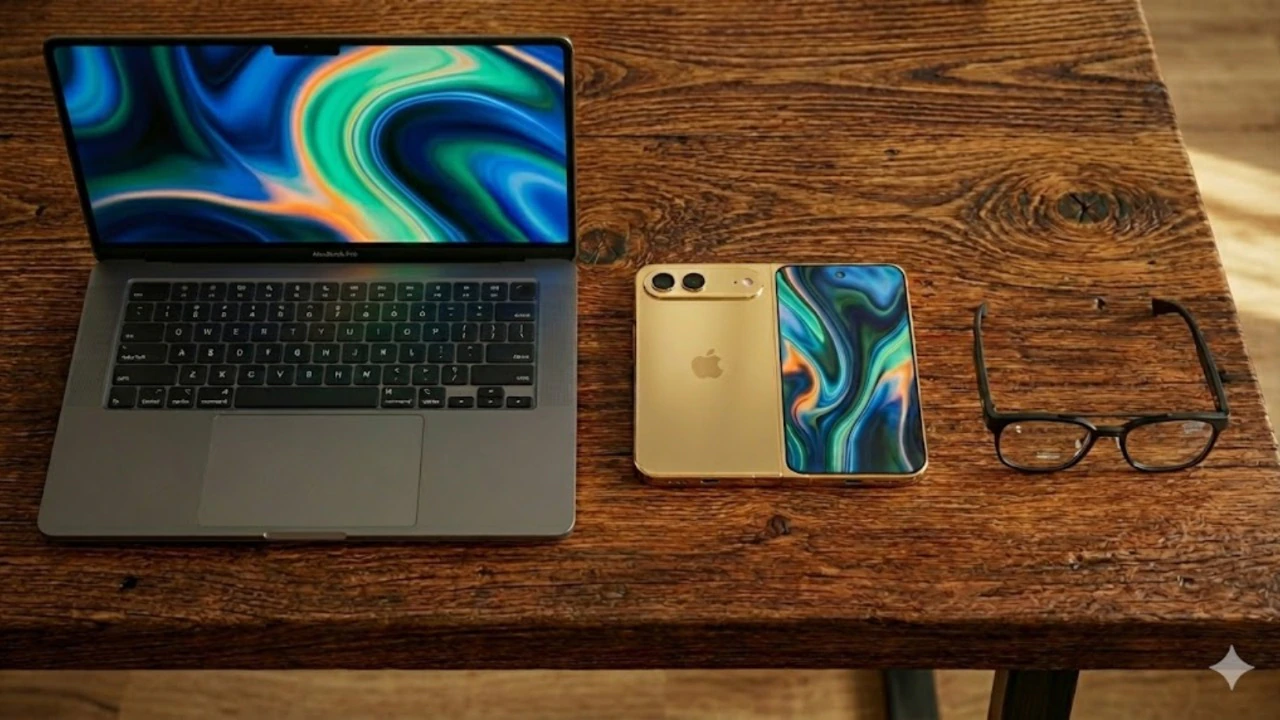
Reports indicate the company could introduce two major additions to this elite lineup: an OLED-based MacBook and a new ultra-premium iPhone model positioned above the existing Pro devices. If this strategy unfolds, it could reshape Apple’s product hierarchy and reinforce its dominance in the high-end technology market.
This potential shift reflects broader trends in consumer electronics. Premium buyers increasingly seek advanced display technology, improved performance, and distinctive design features. Apple appears ready to meet those expectations by elevating its most exclusive devices even further.
In this article, we explore what the rumored expansion of Apple’s Ultra tier could look like, why the company might pursue this strategy, and how these devices could impact the broader technology landscape.
Understanding Apple’s “Ultra” Branding Strategy
Apple typically introduces new branding only when it represents a significant leap in capability or positioning. The “Ultra” label has historically been reserved for products that deliver the highest performance or most advanced features within Apple’s lineup.
The company first brought this terminology into focus with its top-tier processors and high-performance hardware configurations. In Apple’s ecosystem, “Ultra” often signals the absolute best available option, designed for users who demand maximum performance regardless of cost.
Expanding this label into additional categories would be consistent with Apple’s broader strategy of creating distinct product tiers that appeal to different types of users.
Why the Ultra Label Matters
The “Ultra” designation does more than indicate premium features. It also shapes consumer perception. In Apple’s branding hierarchy, the progression typically looks like this:
- Standard models aimed at everyday users
- Pro models designed for professionals and power users
- Ultra models representing the ultimate flagship experience
By introducing Ultra devices in new categories, Apple could reinforce the idea that it offers the most advanced technology available in each segment.
The Possibility of an OLED MacBook
One of the most intriguing aspects of Apple’s potential strategy is the introduction of an OLED MacBook. While Apple has already adopted OLED displays in certain devices, the MacBook lineup has largely relied on LCD technology.
Switching to OLED could significantly enhance display quality and provide several advantages that professionals and enthusiasts value.
What OLED Technology Brings to Laptops
OLED displays differ from traditional LCD panels in several ways. Instead of relying on a backlight, each pixel emits its own light. This approach allows for deeper blacks, higher contrast ratios, and improved color accuracy.
For laptops, these benefits translate into a more immersive visual experience.
Key improvements expected from an OLED MacBook could include:
- Richer color reproduction for creative professionals
- Higher contrast levels for video editing and design work
- Reduced power consumption in certain scenarios
- Thinner display panels enabling sleeker laptop designs
Such upgrades could position the OLED MacBook as a flagship product aimed at users who rely heavily on display quality.
Why Apple Has Been Cautious With OLED Laptops
Despite the advantages of OLED technology, Apple has historically taken a measured approach to adopting it in laptops.
There are several reasons for this caution:
- OLED panels are more expensive than traditional LCD displays
- Long-term burn-in concerns have historically affected some OLED screens
- Producing large OLED displays at scale remains challenging
However, advances in manufacturing and display engineering have improved the reliability of OLED panels. These developments may make it more feasible for Apple to bring OLED technology to its MacBook lineup.
Where an OLED MacBook Could Fit in Apple’s Lineup
If Apple launches an OLED MacBook, it would likely sit at the top of the MacBook family. The company already differentiates its laptops through performance tiers and display technologies, but an OLED model would create a new level of premium positioning.
Potential Placement in the Product Hierarchy
Apple currently offers two primary MacBook lines:
- MacBook Air, focused on portability and efficiency
- MacBook Pro, designed for professionals and high-performance workloads
An OLED MacBook could become a specialized variant above the standard MacBook Pro models. This would allow Apple to maintain its existing lineup while offering an ultra-premium option for users who want the very best display technology.
Who the OLED MacBook Would Target
Such a device would likely appeal to several categories of users:
Creative professionals who work with photography, video editing, and graphic design would benefit from improved color accuracy and contrast.
Developers and engineers who require powerful hardware might also appreciate the enhanced visual clarity for coding and content creation.
Technology enthusiasts and early adopters would be drawn to the cutting-edge display and premium design.
In essence, the OLED MacBook could represent Apple’s most advanced laptop yet.
A New Ultra-Tier iPhone Could Be Coming
Alongside the OLED MacBook, another major development could be the arrival of a new ultra-premium iPhone model.
Apple already offers multiple tiers within its smartphone lineup, but introducing an Ultra variant could push the boundaries even further.
Why Apple Might Add an Ultra iPhone
The global smartphone market has increasingly embraced premium devices. Many consumers are willing to pay higher prices for phones that deliver superior performance, cameras, and design.
An Ultra iPhone could capitalize on this trend by offering features beyond what the current Pro models provide.
Possible motivations behind such a device include:
- Expanding Apple’s highest-margin product segment
- Differentiating top-tier devices more clearly
- Competing with ultra-premium smartphones from rival brands
- Creating new technological showcases for Apple innovations
By positioning the Ultra model above the Pro lineup, Apple could strengthen its presence in the luxury smartphone category.
Potential Features of an Ultra iPhone
While specific details remain uncertain, industry observers expect an Ultra iPhone to include significant upgrades compared to existing models.
These enhancements could span multiple aspects of the device.
Advanced Camera Capabilities
Apple has steadily improved its smartphone cameras, and an Ultra model could push this even further.
Potential upgrades might include:
- More advanced zoom systems
- Larger camera sensors for better low-light performance
- Improved computational photography features
These improvements would appeal particularly to mobile photographers and video creators.
Premium Materials and Design
Apple often uses distinctive materials to differentiate high-end devices. An Ultra iPhone might feature unique design elements that set it apart visually and structurally.
Possible design upgrades could include:
- Stronger or lighter materials for the frame
- Improved durability or water resistance
- Exclusive color finishes or textures
Such details could reinforce the device’s premium identity.
Larger Display and Battery
Another possibility is that the Ultra iPhone could feature a slightly larger display or battery capacity compared with existing models.
This approach would align with the expectations of users who want extended battery life and a more immersive screen for media consumption.
The Role of OLED Displays Across Apple Products
OLED technology has become increasingly important across the consumer electronics industry. Many premium smartphones already rely on OLED displays due to their superior image quality.
Apple’s adoption of OLED in more devices would represent a natural progression.
Current OLED Usage in Apple Devices
Apple has gradually integrated OLED technology into several product categories. This transition reflects both improvements in display manufacturing and consumer demand for higher-quality screens.
As production capacity expands and costs decline, OLED displays are becoming more practical for larger devices like laptops and tablets.
The Next Stage of Apple’s Display Evolution
Introducing an OLED MacBook could signal a broader shift in Apple’s display strategy.
Over time, the company may expand OLED technology across multiple device categories, including tablets and other portable computers.
This transition would allow Apple to deliver more consistent visual quality across its ecosystem.
Apple’s Pricing Strategy for Ultra Devices
One of the most significant implications of expanding the Ultra tier would be pricing. Apple’s premium products already command high price points, and Ultra devices would likely exceed those levels.
Why Premium Pricing Works for Apple
Apple has successfully cultivated a customer base willing to pay for premium hardware. Several factors contribute to this pricing power:
- Strong brand loyalty
- Integrated hardware and software ecosystem
- Long device lifespans and software support
- Perceived quality and design excellence
Because of these factors, Apple can introduce higher-priced models without dramatically affecting demand among its core audience.
Potential Price Positioning
An Ultra-tier laptop or smartphone would likely sit well above current flagship devices.
This positioning would ensure that:
- Existing Pro models remain attractive to mainstream buyers
- Ultra devices remain exclusive and aspirational
- Apple maximizes revenue from its most dedicated customers
Such pricing strategies have proven effective in other technology categories.
Market Implications of an Expanded Ultra Tier
If Apple moves forward with this strategy, the impact could extend far beyond its own product lineup.
Influence on Competitors
Apple’s decisions often shape industry trends. When the company introduces new technologies or product categories, competitors frequently follow suit.
An OLED MacBook or Ultra iPhone could encourage rival manufacturers to accelerate their own high-end innovations.
Strengthening Apple’s Premium Image
By continuously pushing the boundaries of performance and design, Apple reinforces its reputation as a leader in premium technology.
Ultra-tier products would serve as technological showcases that demonstrate the company’s capabilities.
Even consumers who choose lower-tier devices benefit indirectly from these innovations, as features often trickle down into more affordable models over time.
Challenges Apple May Face
While expanding the Ultra lineup offers many opportunities, it also presents challenges.
Manufacturing Complexity
Developing cutting-edge hardware often requires advanced manufacturing processes and supply chain coordination.
OLED displays, in particular, involve complex production techniques that can limit availability during early stages.
Balancing Product Differentiation
Apple must carefully distinguish Ultra devices from existing Pro models without undermining the appeal of its current lineup.
If the differences are too small, consumers may not see value in the higher price. If they are too large, standard Pro models might seem less attractive.
Maintaining the right balance will be critical.
What This Means for Apple’s Long-Term Vision
The possible expansion of Apple’s Ultra tier reflects a broader shift toward highly differentiated premium products.
Instead of simply releasing incremental updates each year, Apple appears to be exploring ways to create entirely new tiers within its ecosystem.
A Focus on High-End Innovation
As smartphone and laptop markets mature, major breakthroughs become less frequent. To maintain excitement and growth, companies often focus on premium experiences that push technological boundaries.
Ultra devices could serve this purpose by highlighting Apple’s most advanced capabilities.
Creating a Clearer Product Ladder
An expanded lineup could also help consumers navigate Apple’s product offerings more easily.
With clearly defined tiers, buyers can select devices based on their needs and budgets without confusion.
This approach has worked well for Apple across many product categories.
The Future of Apple’s Premium Devices
If the rumors prove accurate, the next few years could bring some of the most ambitious Apple hardware in recent memory.
An OLED MacBook would redefine what users expect from laptop displays, while an Ultra-tier iPhone could establish a new standard for premium smartphones.
These devices would not only showcase Apple’s technological progress but also signal the company’s commitment to pushing the boundaries of consumer electronics.
For consumers and industry observers alike, the potential expansion of Apple’s Ultra lineup represents an exciting glimpse into the future of premium technology.
As Apple continues refining its product strategy, one thing remains clear: the company is determined to keep raising the bar for high-end devices.