


Last Updated on April 20, 2026 by Michael Motha
AI smart glasses are no longer experimental gadgets—they are rapidly emerging as the next major computing platform after smartphones, driven by advances in artificial intelligence, augmented reality, and wearable technology. By 2026, these devices are expected to move into the mainstream, offering users a seamless, hands-free digital experience.
From real-time translations to contextual AI assistance, smart glasses are evolving into powerful everyday tools. As major tech companies accelerate development, the question is no longer if they will become popular—but how soon they could replace smartphones.
What Are AI Smart Glasses?
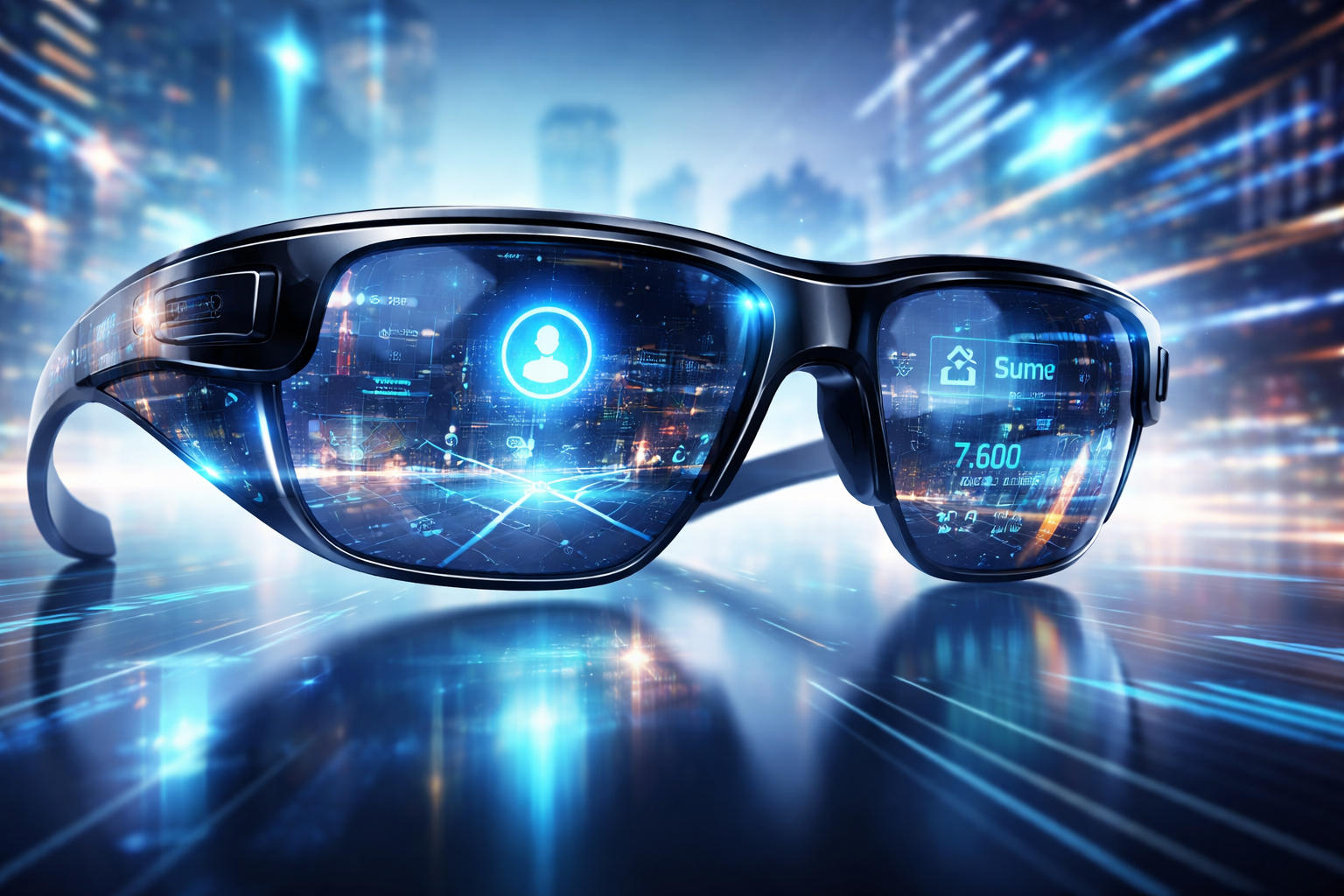
AI smart glasses are wearable devices that integrate artificial intelligence with augmented reality (AR) to deliver information directly into a user’s field of view. Unlike traditional glasses, these devices can display notifications, provide navigation, translate languages in real time, and even assist with daily tasks using voice commands.
Modern smart glasses combine multiple technologies, including:
- AI-powered voice assistants
- AR overlays for real-world interaction
- Built-in cameras and microphones
- Cloud-based data processing
These features enable a more natural and immersive way to interact with digital systems without constantly looking at a smartphone screen.
Industry Leaders Driving Innovation
Several global tech giants are heavily investing in AI-powered wearables, signaling a major shift in consumer technology.
Companies like Google, Apple, and Meta are leading the race to bring advanced smart glasses to market.
Google has confirmed plans to launch AI smart glasses by 2026, integrating its advanced AI ecosystem into wearable devices.
- Apple is reportedly developing its own smart glasses, expected to seamlessly connect with its existing ecosystem of devices.
- Meta has already gained traction with its Ray-Ban smart glasses, demonstrating real-world demand for wearable tech.
This rapid progress reflects the growing momentum in AR wearable development, with companies investing heavily in next-generation interfaces that blend digital and physical environments.
These advancements are already being explored by Meta through its Reality Labs initiatives.
Key Features of AI Smart Glasses in 2026
By 2026, AI smart glasses are expected to include a wide range of advanced capabilities that go far beyond current wearable devices.
1. Real-Time AI Assistance
Users can receive contextual information instantly—whether identifying objects, summarizing conversations, or answering questions in real time.
2. Live Translation
Language barriers could become a thing of the past, with real-time translation displayed directly in the user’s vision.
3. Augmented Reality Navigation
Directions can appear directly on roads or pathways, making navigation more intuitive than traditional map apps.
4. Hands-Free Communication
Users can send messages, make calls, and access apps using voice commands or subtle gestures.
5. Health and Activity Tracking
Integrated sensors may monitor health metrics, similar to smartwatches, but with enhanced AI insights.
These features position AI smart glasses as a natural evolution of both smartphones and wearable devices.
Companies are rapidly investing in Google AI technologies to enhance next-generation wearable experiences.
Why AI Smart Glasses Matter
Similar advancements are already transforming logistics through AI-driven drone delivery systems.
The rise of AI smart glasses is part of a broader shift toward AI-powered devices transforming everyday technology.
This shift could:
- Reduce dependence on smartphones
- Improve productivity through hands-free computing
- Enhance accessibility for users with disabilities
- Enable more immersive digital experiences
Real-World Use Cases
AI smart glasses are not just futuristic concepts—they have practical applications across multiple industries.
Everyday Consumers
- Navigation and travel assistance
- Instant notifications without distractions
- Real-time translation while communicating
Business and Enterprise
- Remote collaboration and training
- On-site technical support with AR guidance
- Productivity enhancements in logistics and manufacturing
Healthcare
- Assisted surgeries with real-time data overlays
- Patient monitoring and diagnostics
- Training for medical professionals
These use cases demonstrate how smart glasses could become essential tools in both personal and professional environments.
Apple is also developing its own smart glasses, expected to integrate seamlessly with its broader ecosystem of devices.
Challenges and Limitations
Despite rapid advancements, AI smart glasses still face several challenges that could impact widespread adoption.
Battery Life
Advanced features like AR and AI processing consume significant power, making battery efficiency a key concern.
Privacy Concerns
Built-in cameras and constant data collection raise questions about user privacy and data security.
High Costs
Early versions of smart glasses are expected to be expensive, limiting accessibility for average consumers.
Social Acceptance
Wearing smart glasses in public may raise social and ethical concerns, similar to earlier wearable technologies.
Addressing these challenges will be critical for long-term success in the market.
The Future of Smart Glasses
The global smart glasses market is expected to grow rapidly over the next few years, driven by advancements in AI and increasing demand for wearable technology.
As hardware improves and costs decrease, AI smart glasses could become as common as smartphones are today. The integration of AI assistants, AR interfaces, and cloud computing will likely redefine how users interact with digital content.
Looking ahead, smart glasses may:
- Replace smartphones for many daily tasks
- Integrate deeply with smart homes and IoT devices
- Enable fully immersive augmented reality experiences
The transition may not happen overnight, but the direction is clear—wearable AI is shaping the future of personal technology.
Conclusion
AI smart glasses in 2026 represent more than just a new gadget—they signal a major evolution in computing. With strong backing from industry leaders like Google, Apple, and Meta, these devices are moving closer to mainstream adoption.
While challenges such as privacy, cost, and battery life remain, the potential benefits far outweigh the limitations. As innovation continues, AI smart glasses could soon become an essential part of everyday life—possibly even replacing smartphones altogether.
Explore more updates on latest gadgets and wearable technology shaping the future.