


Last Updated on June 8, 2026 by Michael Motha
How Artificial Intelligence Is Reshaping the Iran War
The Dawn of Algorithm-Driven Warfare
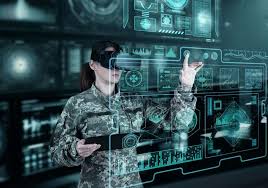
Modern warfare is entering a new technological era. In the ongoing conflict involving Iran, advanced artificial intelligence systems are transforming how militaries plan operations, identify targets, and conduct strikes. What once required days or weeks of intelligence analysis can now happen within minutes.
This shift marks a profound change in military strategy. AI-powered platforms are analyzing enormous amounts of surveillance data, coordinating logistics, and helping commanders decide where and when to deploy force. The result is a battlefield operating at unprecedented speed.
The Iran conflict has become a clear demonstration of how artificial intelligence can dramatically accelerate warfare. By combining satellite imagery, electronic intercepts, drone feeds, and real-time intelligence analysis, AI systems are reshaping how modern militaries operate and make decisions under pressure.
The Rise of AI-Driven Military Intelligence
Artificial intelligence has become one of the most valuable assets in modern defense operations. In the Iran conflict, AI systems are processing massive volumes of classified information collected from multiple intelligence sources.
These platforms integrate data from:
- Satellite surveillance
- Reconnaissance drones
- Communications intercepts
- Battlefield sensors
- Cyber intelligence systems
Instead of relying solely on human analysts, AI algorithms quickly identify patterns and anomalies in these datasets. They can detect unusual movements, track weapons deployments, and flag high-value targets.
This level of automation allows military planners to move from reactive decision-making to predictive strategy. AI tools can forecast potential threats and recommend possible responses before events escalate.
The speed of these systems dramatically reduces the traditional military “decision cycle,” allowing commanders to respond to emerging threats almost instantly.
AI-Powered Target Identification
One of the most significant uses of artificial intelligence in the Iran war is target identification. AI platforms can scan thousands of data points simultaneously to determine which targets are most strategically valuable.
These systems analyze factors such as:
- Location of military infrastructure
- Missile launch sites
- Air defense systems
- Supply chains and logistics hubs
- Command centers and communications networks
By prioritizing targets based on potential impact, AI enables military planners to deploy resources more efficiently.
During early phases of the conflict, AI-assisted systems reportedly generated extensive lists of possible targets within hours. These recommendations included precise geographic coordinates and strategic assessments of each location.
While final decisions remain in human hands, AI dramatically accelerates the process of narrowing down targets.
Real-Time Battlefield Analysis
Artificial intelligence is also playing a critical role after attacks occur. AI systems continuously analyze battlefield outcomes, providing rapid feedback to commanders.
These systems evaluate factors such as:
- Damage assessment from airstrikes
- Enemy troop movements after an attack
- Remaining operational infrastructure
- Opportunities for follow-up operations
Previously, such assessments could take days to complete. Intelligence officers had to manually review satellite images and field reports before making new decisions.
Now, AI tools can process these inputs in near real time. Commanders receive updated operational insights within minutes, enabling them to adapt strategies immediately.
This capability significantly shortens the time between reconnaissance, decision-making, and military action.
Managing Logistics Through Artificial Intelligence
Beyond targeting and surveillance, AI is also transforming military logistics.
Large-scale military operations require massive coordination of resources, including:
- Ammunition supplies
- Aircraft maintenance
- Fuel distribution
- Equipment transport
- Troop deployment
AI systems can track and manage these logistics networks more efficiently than traditional planning methods. Algorithms analyze supply levels, predict shortages, and recommend optimal distribution routes.
For example, AI can determine which weapon systems are most effective against specific targets and allocate resources accordingly. This ensures that military units are equipped with the right tools for each mission.
By optimizing logistics, AI helps reduce operational delays and increases the overall effectiveness of military campaigns.
The Compression of Military Decision Cycles
One of the most profound impacts of artificial intelligence in warfare is the compression of decision-making timelines.
Historically, military operations followed a structured cycle:
- Intelligence gathering
- Data analysis
- Strategic planning
- Operational approval
- Execution
Each stage could take hours or days depending on the complexity of the situation.
AI systems are collapsing this cycle dramatically. By automating intelligence analysis and generating operational recommendations, these technologies allow commanders to move from information to action much faster.
This phenomenon is often described as “decision compression.” It means wars can unfold at speeds that were previously impossible.
In the Iran conflict, some analysts believe that AI has reduced operational planning timelines from days to minutes.
The Expanding Role of Autonomous Systems
Artificial intelligence is not only assisting decision-making but also enabling new forms of autonomous weapon systems.
Modern AI-assisted technologies include:
- Drone swarms capable of coordinated attacks
- Smart missiles with adaptive targeting
- Autonomous reconnaissance vehicles
- AI-enhanced cyber defense systems
These technologies allow militaries to deploy force with increased precision and reduced human involvement in operational tasks.
Drones in particular have become a central component of AI-enabled warfare. They collect surveillance data, conduct targeted strikes, and relay battlefield information back to command centers.
When combined with AI analytics, drone networks can map enemy positions and track changes across the battlefield in real time.
Ethical Concerns Surrounding AI Warfare
While AI offers powerful advantages, its use in warfare has also sparked significant ethical concerns.
Critics warn that increased reliance on AI could lead to:
- Reduced human oversight in lethal decisions
- Faster escalation of military conflicts
- Increased risk of errors or misidentification
- Difficulty assigning responsibility for mistakes
In high-pressure environments, commanders may feel compelled to trust AI-generated recommendations without fully verifying them.
This raises questions about accountability when mistakes occur. If an AI system recommends a target that results in civilian casualties, determining responsibility becomes complex.
International organizations and defense experts are now calling for clearer guidelines governing the use of AI in military operations.
The Risk of AI Errors on the Battlefield
Artificial intelligence systems rely heavily on the quality of the data they process. If the input data is incomplete, biased, or incorrect, the AI’s conclusions may also be flawed.
In the context of warfare, such mistakes can have severe consequences.
Potential risks include:
- Incorrect target identification
- Misinterpretation of surveillance data
- Overestimation of threats
- Failure to detect civilian presence
Because AI operates at such high speeds, errors can spread quickly across operational systems.
This is why many defense experts emphasize the importance of maintaining human oversight in AI-assisted warfare. Human analysts must verify AI outputs before critical decisions are made.
A Global Shift Toward AI-Driven Defense
The technological developments seen in the Iran conflict are not limited to one region. Militaries around the world are rapidly investing in artificial intelligence.
Countries are exploring AI applications across multiple areas of defense, including:
- Cybersecurity
- Autonomous vehicles
- Strategic simulations
- Predictive intelligence
- Electronic warfare
Nations that successfully integrate AI into their military operations may gain significant strategic advantages.
As a result, the global defense landscape is entering an era where technological capability may become just as important as traditional military strength.
The Future of AI in Warfare
The Iran conflict may represent a turning point in the evolution of warfare. Artificial intelligence is no longer a theoretical concept in defense strategy—it is now actively shaping real-world military operations.
In the coming years, AI capabilities are expected to expand even further. Future systems may include:
- Fully autonomous surveillance networks
- Advanced predictive battle simulations
- AI-assisted command centers
- Autonomous naval and aerial vehicles
However, the development of these technologies will likely be accompanied by ongoing debates about regulation and ethical use.
Balancing innovation with accountability will be one of the most important challenges facing global defense institutions.
A New Era of Military Technology
Artificial intelligence is fundamentally transforming how wars are fought. In the Iran conflict, AI systems are accelerating intelligence analysis, optimizing logistics, and enabling faster operational decisions.
This technological shift has introduced a new pace to warfare—one defined by machine-speed processing and data-driven strategy.
While AI offers significant advantages in efficiency and precision, it also raises serious ethical and strategic questions. Ensuring that human judgment remains central to military decision-making will be critical as these technologies continue to evolve.
The integration of artificial intelligence into defense systems marks the beginning of a new era in global security—one where algorithms and data play an increasingly decisive role on the battlefield.